Rooted in Bend, OR
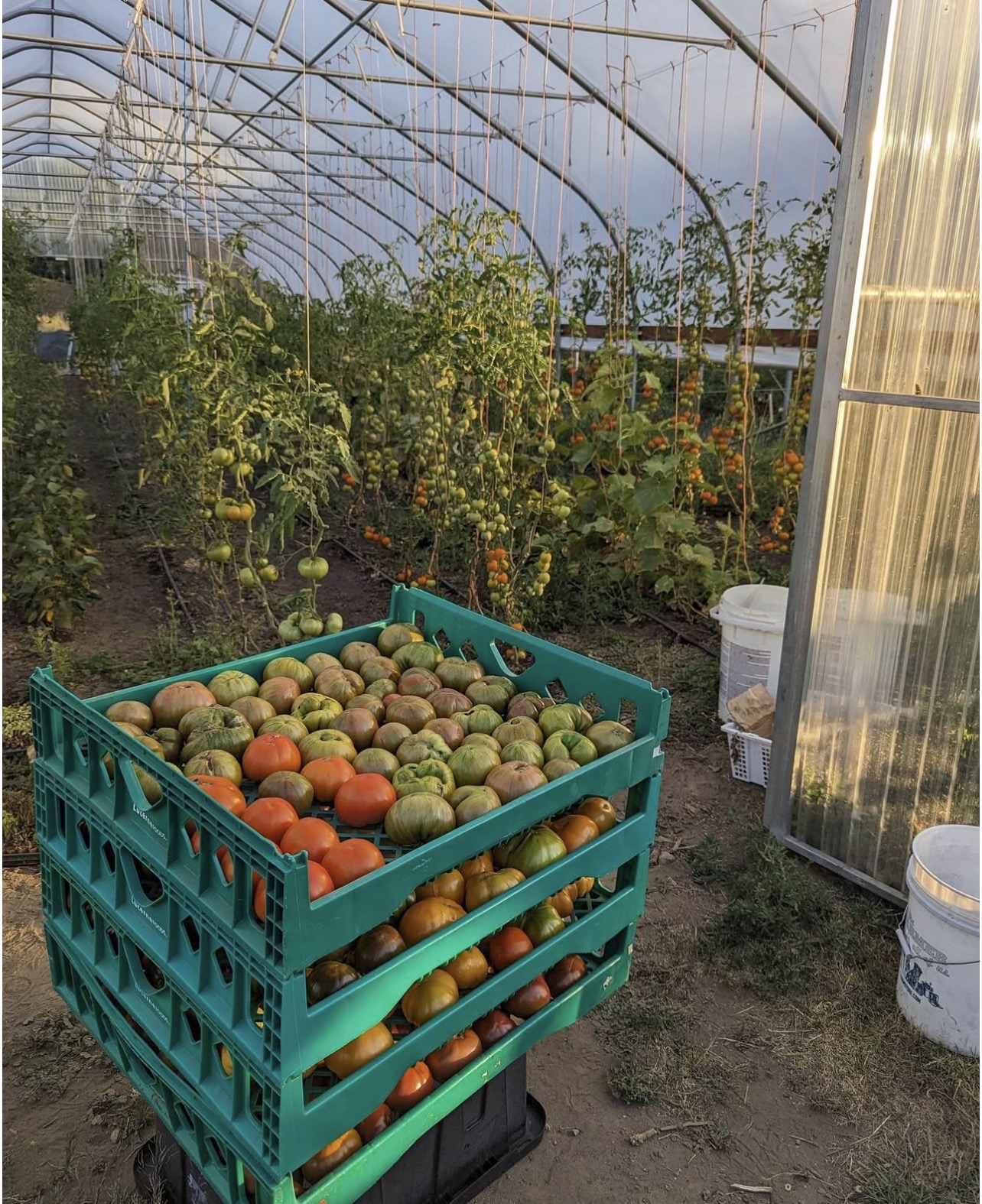
Fibonacci Farm was founded with a simple goal: to grow healthy food that nourishes both people and the land. What started as a personal pursuit of wellness and connection has grown into a thriving small farm dedicated to sharing high-quality produce and flowers with the Central Oregon community.
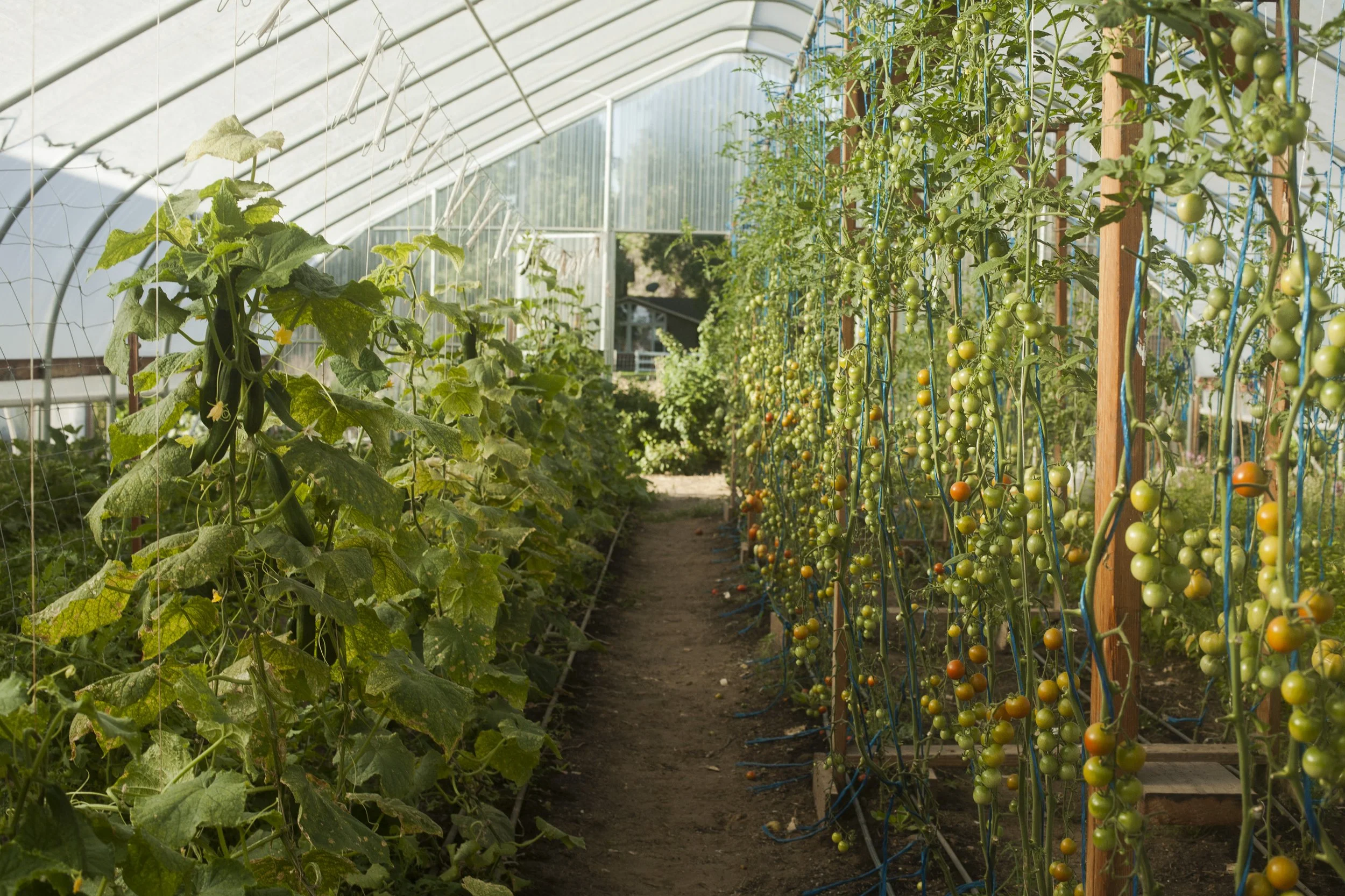
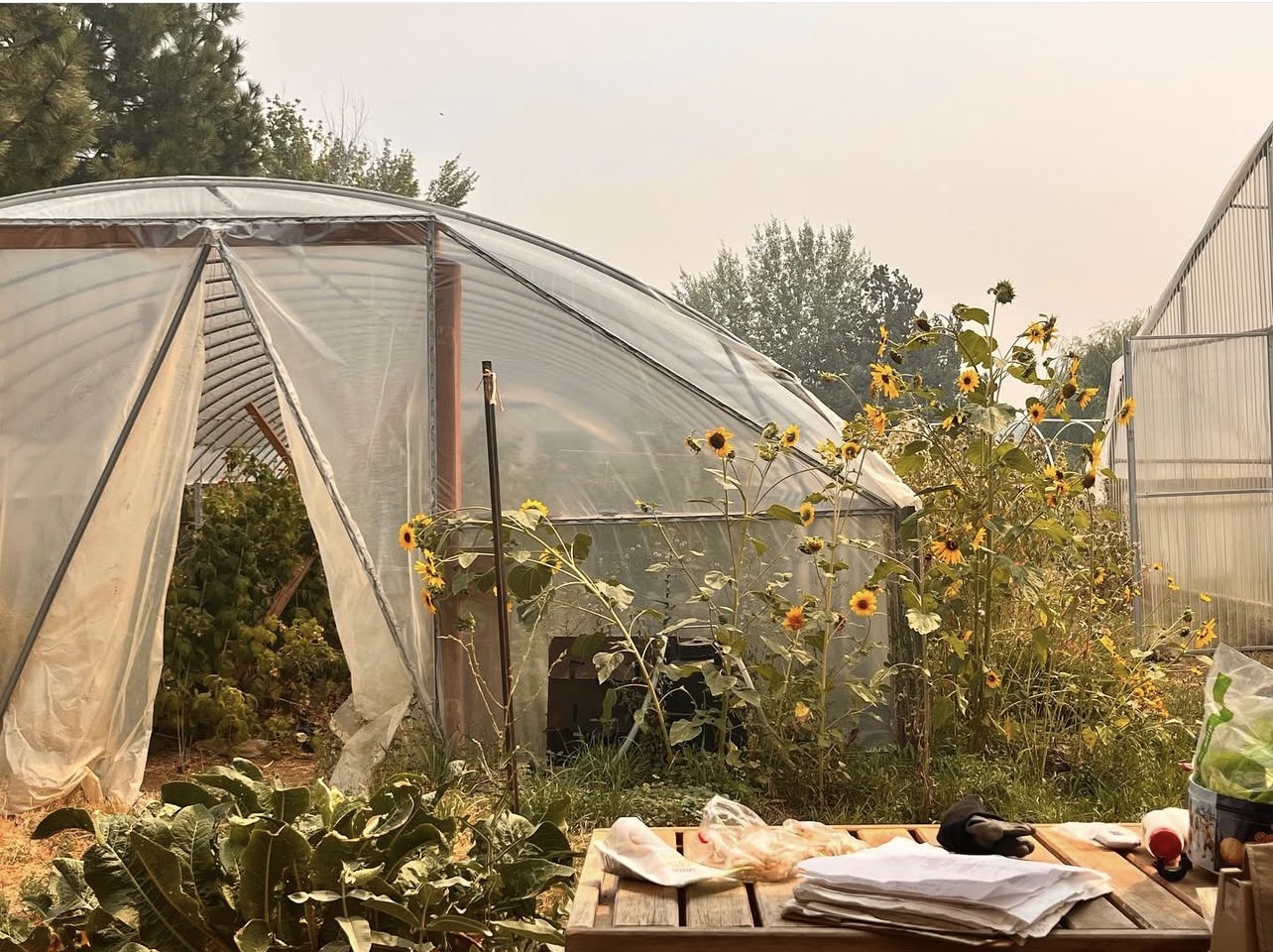
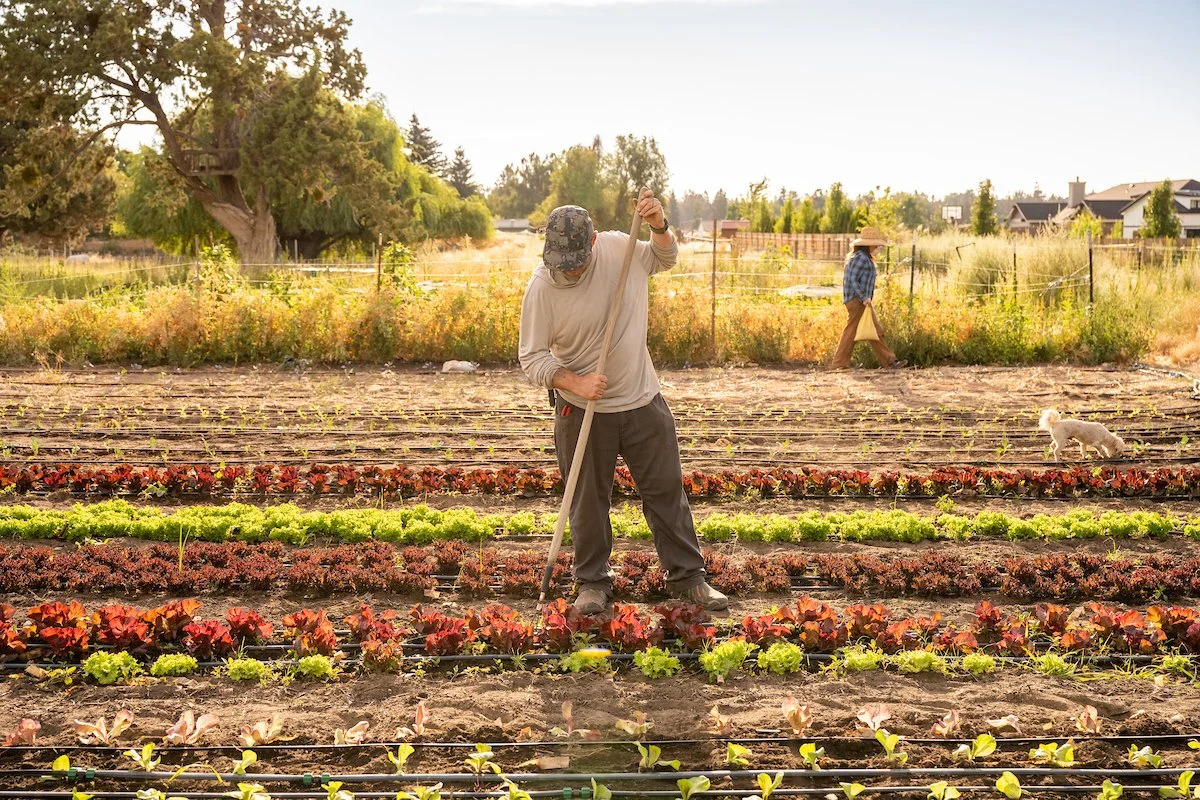
Sitting on 1 cultivated acre, the farm is managed using low-impact, regenerative methods—reduced tillage, walk behind tractor and no chemical inputs. By relying on hand tools, cover crops, and compost, the soil stays alive and healthy, producing food that’s as nutrient dense as it is delicious. The soil in the main garden was first built by our friend and landlord Brian, of Golden Eagle Organics. Brian has extensive training and research as a soil scientist and has been a wealth of information as we continue to address nutrient deficiencies and nurture our living soil.
Meet Your Farmer
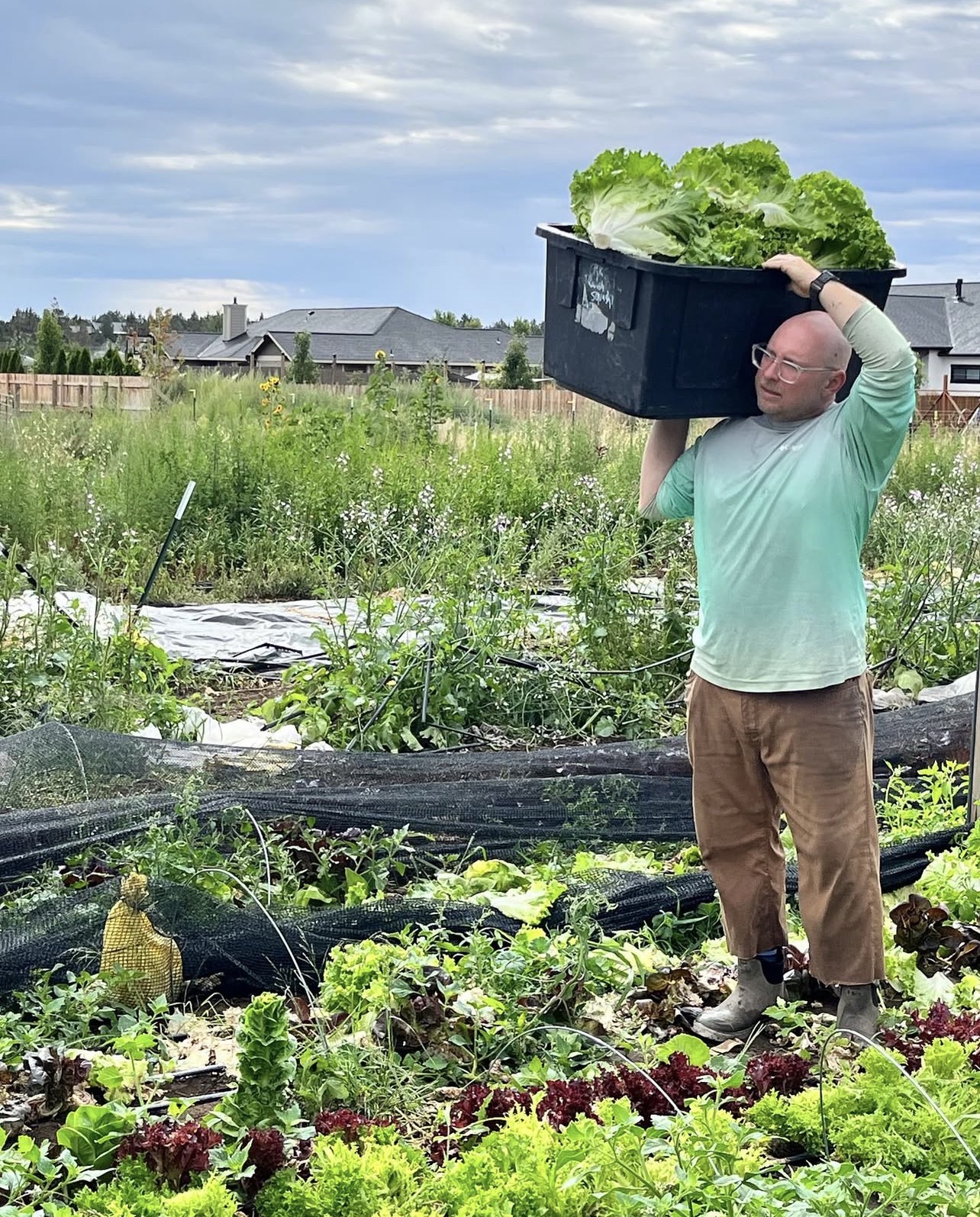
Aaron Stubbs
After earning a law degree focused on environmental law and civil rights, Aaron’s career path took a meaningful turn toward environmentalism, food, and community. In 2019, he joined the Rogue Farm Corps and apprenticed at Quackenbush Farm in Eagle Creek, Oregon, where he learned the foundations of running an organic market farm.
Farming became more than work—it became a calling. Combining his background in law, environmental advocacy, and community engagement, and with the help of founding partner Lauren Rasmussen, Aaron established Fibonacci Farm in 2021 to cultivate high-quality food in a way that restores both people and planet. His approach blends thoughtful land stewardship with a deep respect for the natural systems that make farming possible.

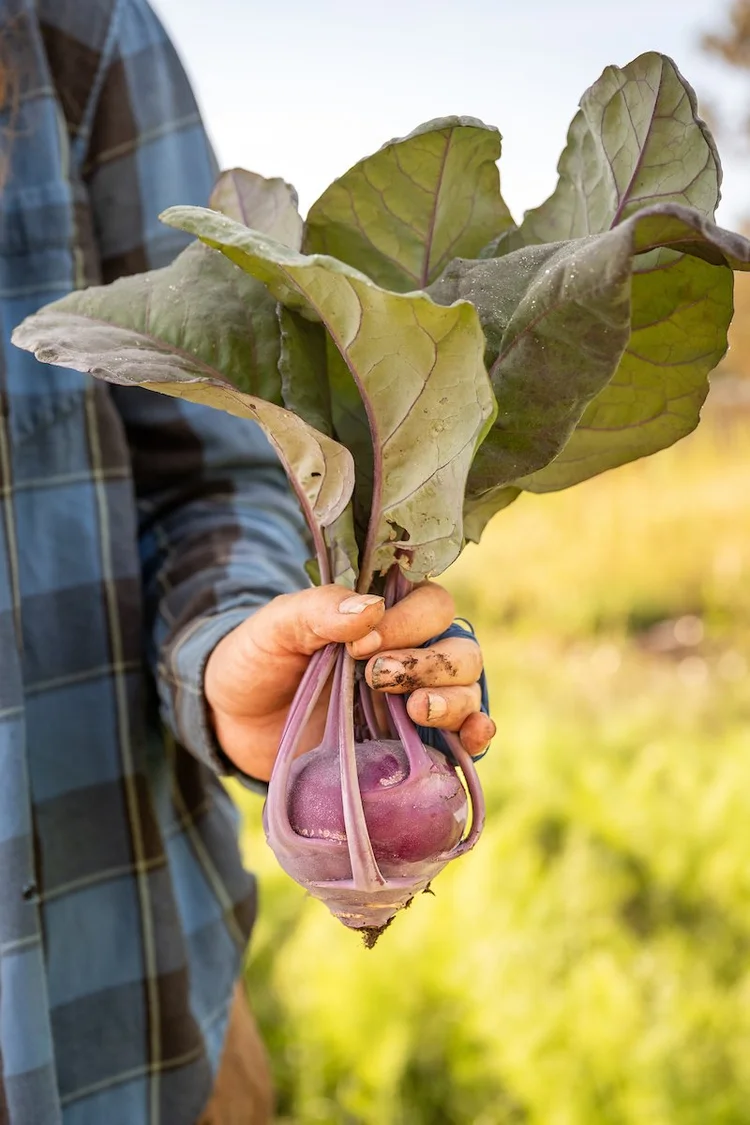
Our Practices
Fibonacci Farm currently operates on a "reduced tillage" model. In 2025 we added a walk-behind BCS tractor (aptly named "Flip") which has allowed us to incorporate crop residue in a more timely manner while efficiently adding organic matter. Actual tillage using a rototiller is rare, but we have found implements like the flail mower and power harrow to be invaluable as we flip beds from one crop to another in hopes of achieving as much as 3 plantings in the space over the duration of a season.
Our favorite and most used non-powered tool is the broadfork which we use to gently loosen the soil before planting. This helps to aerate the soil and really brings new life to the soil biology which is essential to growing nutrient dense and super tasty food
With respect for the native people who first stewarded this land, the goal is to continue that care—farming responsibly, growing excellent produce and flowers, and contributing to a healthier, more connected community.
Employment & Workshare Opportunities
2027 Season
We have met all of our hiring needs for the 2026 season, but are accepting resumes and cover letters for the 2027 season via email.
Volunteer/Workshare
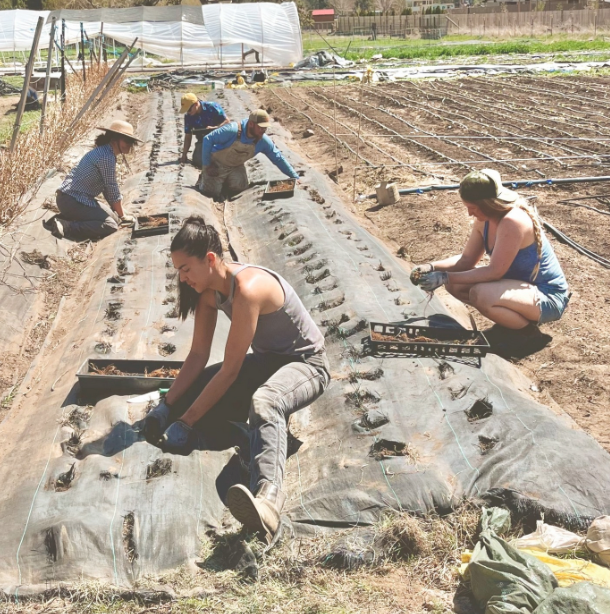
Join us for volunteer or workshare hours on the farm and get a FREE CSA in exchange!
.webp)